
Seasonal affective disorder (SAD) is a type of depression. You can experience it during particular seasons or times of year. Reportedly, roughly 5% of the population suffers from seasonal depression. And if you are already feeling overwhelmed with trauma, this could make things seem a lot worse.
SAD can significantly impact survivors of trauma by intensifying the emotional and psychological effects of their experiences. Survivors may experience heightened feelings of sadness, guilt, shame, and self-blame, which can be exacerbated by the trauma they have endured. This emotional turmoil can lead to a prolonged state of grief, making it difficult for survivors to move on from their traumatic events.
The emotional scars left by trauma can manifest in various ways, including hypervigilance, sleep problems, and difficulty in maintaining relationships. These symptoms can persist for years after the trauma, affecting daily life and mental health.
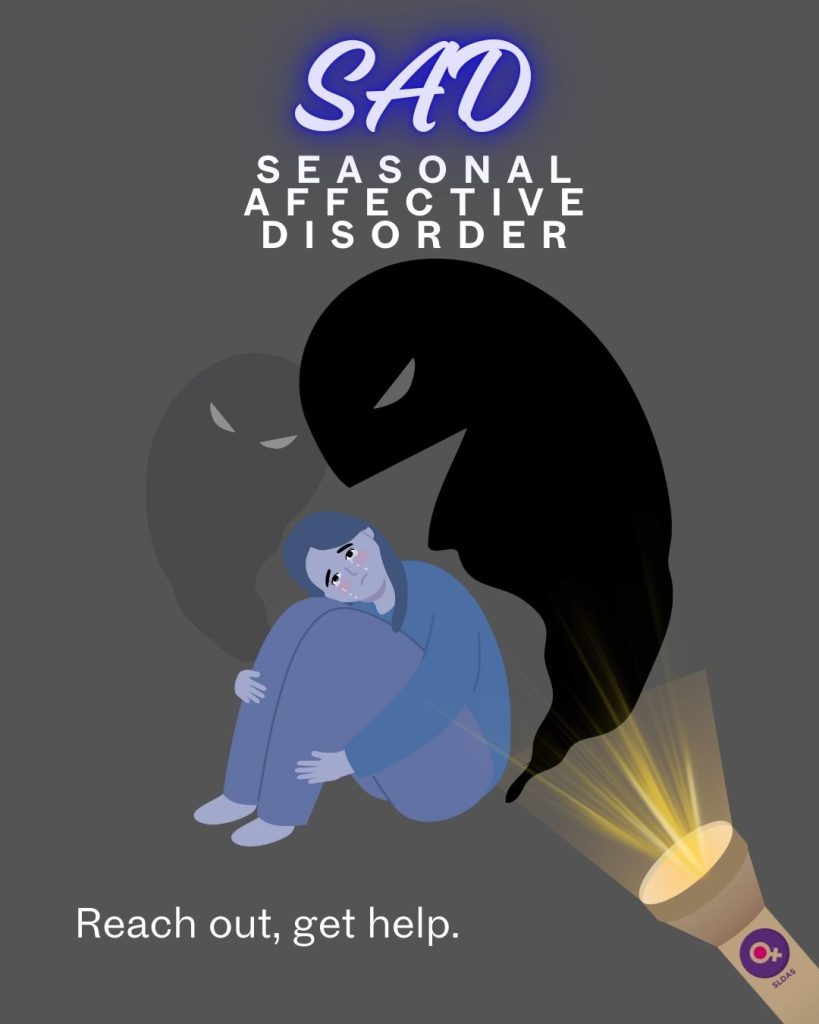
How is SAD different to depression?
If you have SAD, you’ll experience depression during some particular seasons. Or you’ll experience depression because of certain types of weather or temperature.
Experiencing SAD in the winter is more well known. But you may struggle more with summer months.
It’s common to be affected by changing seasons and weather. Or to have times of year when you feel more or less comfortable. For example, you might find that your mood or energy levels drop when it gets colder or warmer. Or you may notice changes in your sleeping or eating patterns.
But if your feelings are interfering with your everyday life, it could be a sign that you have depression.
How do I treat SAD?
If you are a survivor of any kind of trauma then it’s crucial that you seek professional support to help manage the SAD symptoms and any other trauma related issues. There are things you can do to help you to cope. And there’s treatment available for depression. This can include therapy, counselling, and support groups to help you with the emotional challenges that come with combined SAD and existing trauma.
If SAD affects you during winter months, there are things you could try that might help.
You could:
Make the most of natural light. It might help to spend time in natural light. You could go for walks, spend time in parks or gardens, or simply sit near a window. This seems to be helpful if you experience SAD in winter. If you work indoors, try to get outside at lunchtime. Or ask if you could sit near a window.
Plan ahead for winter. For example, you could plan some meals that are quick to prepare. Or prepare some meals in advance and freeze them. This might help if you know you’re likely to lack the energy during the most difficult period.
For more information on coping with SAD visit the Mind Website.

There is also help available if you are feeling suicidal. You don’t have to face it alone. Reach out.
If you’re having thoughts of suicide, talking about it can help.
Call 111 (option 2) for urgent mental health support. If you or someone you know is in immediate danger dial 999.